
Equipment Guides
What Size Telehandler Do I Need? Reach and Capacity Guide
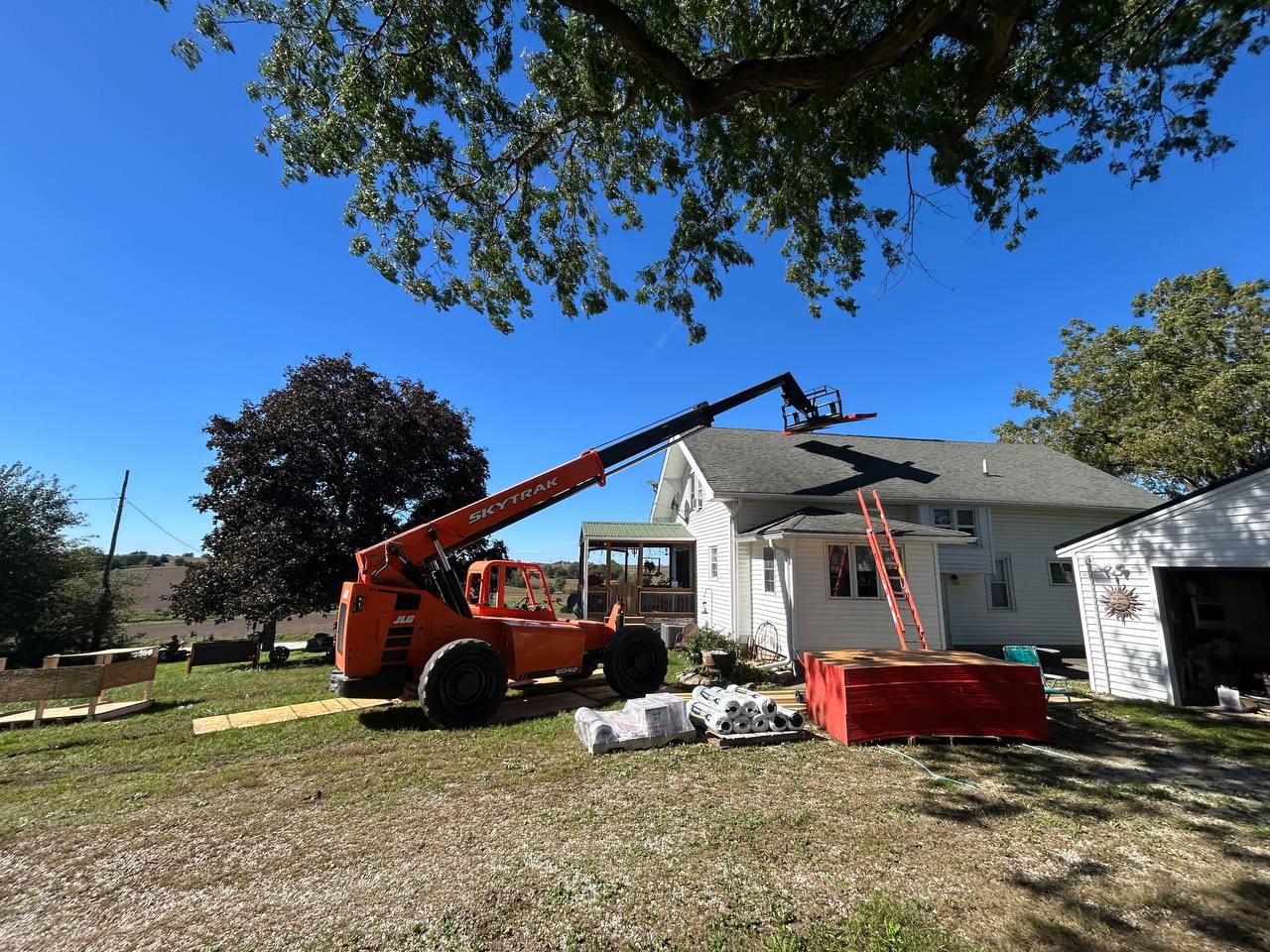
The right telehandler is not simply the machine with the highest capacity. A machine must lift the actual load to the required height and forward distance while remaining within its load chart. Jobsite access, ground conditions, attachments, and room to maneuver matter too.
Start with the load, height, and forward reach
Before requesting a quote, gather three numbers: the heaviest load you expect to handle, the maximum lift height, and the farthest forward reach required. A telehandler’s advertised capacity is generally measured close to the machine under favorable conditions. Available capacity decreases as the boom extends outward or upward.
- Load weight: Include the material, pallet, rigging, and attachment.
- Lift height: Measure to the placement point, not merely the building height.
- Forward reach: Account for setbacks, trenches, landscaping, walls, or other obstacles.
- Attachment: Forks, buckets, platforms, and other attachments affect capacity and machine setup.
Common telehandler size ranges
Compact and mid-size telehandlers are useful where access is limited and loads are moderate. Larger fixed-boom telehandlers provide more height and capacity for framing, roofing, masonry, and commercial construction. Rotating telehandlers add greater reach and flexibility when one setup must serve several areas of a congested site.
When a rotating telehandler makes sense
A rotating telehandler can reduce repositioning because the upper structure rotates while the stabilized base remains in place. BIGGS offers a 15,400 lb rotating telehandler with approximately 50–70 ft of reach, comparable to a JCB 555-210R or Magni RTH 6.21. Actual capacity at a specific height and radius must always be confirmed using the machine’s load chart.
Jobsite questions that affect the choice
- Will the machine travel on concrete, packed gravel, soft soil, or slopes?
- Are there gates, overhead lines, tight corners, or low-clearance entrances?
- Can the machine approach the placement area directly?
- Will one attachment handle the work, or will attachments change during the rental?
- Does the operator have the training required for the equipment and task?
Do not choose from rated capacity alone
Two telehandlers with similar maximum capacities may perform very differently at full extension. Share the load dimensions, weight, placement height, horizontal distance, and site photos when possible. BIGGS can then narrow the options before the equipment reaches the jobsite.
View available telehandler rentals or contact us for help reviewing your lift requirements.
Need help choosing equipment?
Tell BIGGS Rentals what you need to lift, reach, move, or dig, along with your jobsite location and dates. We’ll help match the project to the right machine and provide a rental quote.
